Supplies
Aeration Helps Prevent Lawn Problems
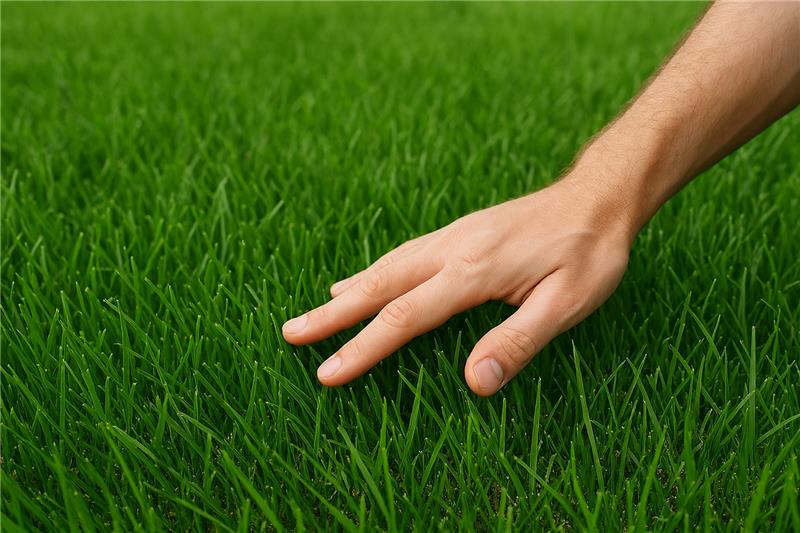
If you feel your lawn is not as healthy as it should be, try aerating the soil to improve grass growth. Common problems that prevent lawn from growing include a build-up of dead grass or “thatch.” Hard, compacted soil can also make it difficult for grass and other plants to grow. Thatch and hard soil can prevent air, water, and nutrients from reaching the roots of the grass. If you can’t easily insert a screwdriver into the soil, it is probably too compacted for good grass growth.
Reasons to Aerate Your Lawn
- Reduces soil compaction while letting air, water and fertilizer get down to the roots.
- Your lawn will look healthier with less water and fertilizer.
- Aeration promotes vigorous root growth, strengthening tolerance to drought and heat stress.
A Simple Definition of Lawn Aeration
“Lawn Aeration”, “Coring”, and “Aerifying” are common names for the same process of poking holes in your lawn. Aeration involves perforating the soil underneath the grass with small holes to allow essential elements to penetrate deeper into the ground.
This process promotes stronger root growth, improves drainage, and enhances overall lawn resilience. Aeration is especially beneficial for lawns that experience heavy foot traffic, have clay-heavy soil, or show signs of thinning and browning.
Tools for the Lawn Aeration Process
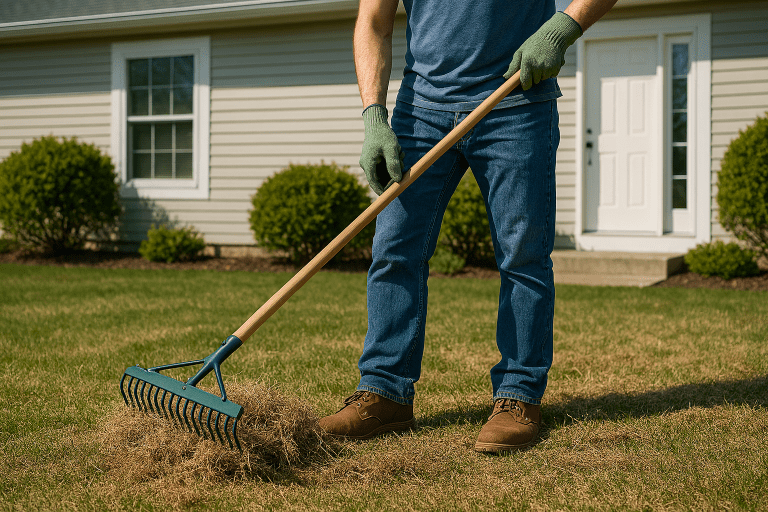
You can use a Core Aerating Machine to poke holes in your lawn and lift out a dirt plug. This allows air to enter deeper into the soil to promote root penetration into the soil. Deeper roots translate to a stronger, more resistant lawn. Aerating your lawn also reduces compaction and thatch to let air, water and fertilizer down to the root zone. It also stimulates root growth by “pruning” the roots. Before you aerate your lawn, it is necessary to use a Thatching Rake to clear away dead grass (thatch) from beneath the surface of the lawn and break up crusted soil and dirt lumps.
Before You Get Started
- Wear gardening gloves to prevent blisters if you are using a manual procedure.
- Wear safety glasses to protect yourself from flying dirt clumps and debris.
- If using a self-propelled lawn aerator, carefully follow the manufacturer’s suggested safety precautions.
How to Aerate Your Lawn
Step 1 Determine the Correct Time of Year
The best time to aerate your lawn is during the peak growing season so it can recover quickly.
Aerate cool-season grasses during early spring or early fall.
Aerate warm-season grasses during late spring through early summer.
PRO TIP
Step 2 Prepare Your Lawn for Aeration
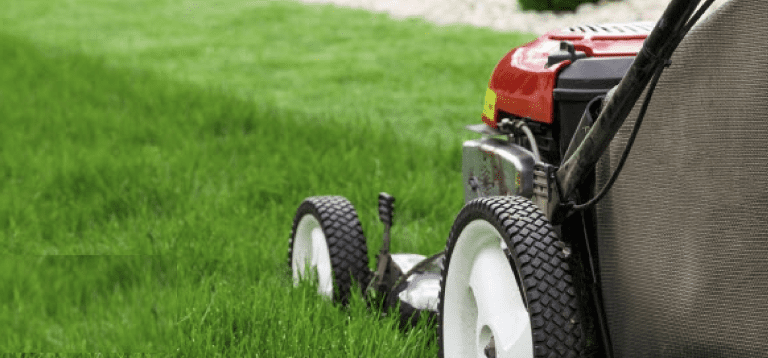
Mow your lawn to a shorter height than usual.
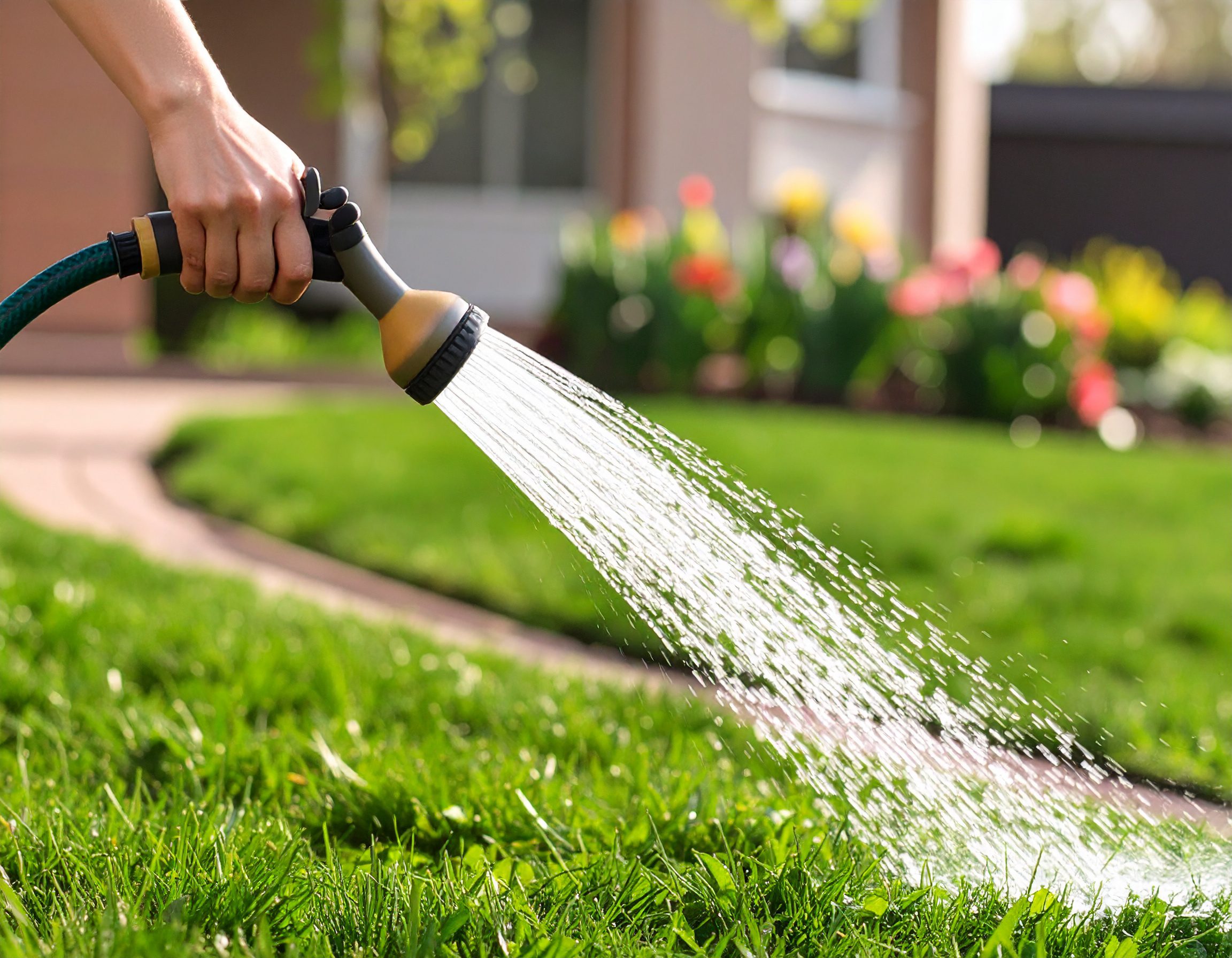
Water your lawn thoroughly 1–2 days before aerating to soften the soil.
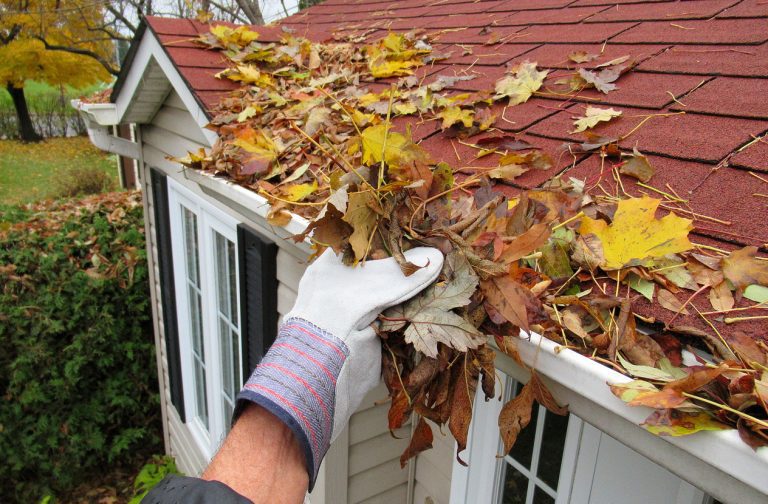
Remove any debris like sticks or leaves.
Mark any sprinkler lines or shallow utility lines so they don’t get run over.
Step 3 Choose Your Aerator
Select an appropriate aerator based on your lawn size.
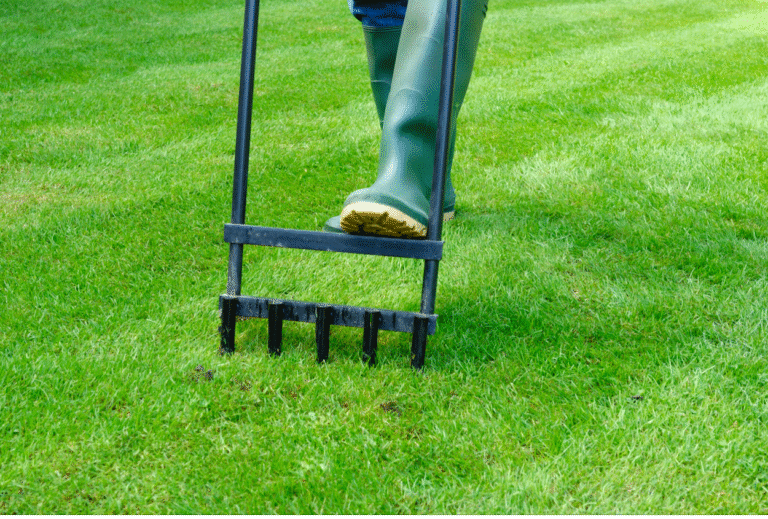
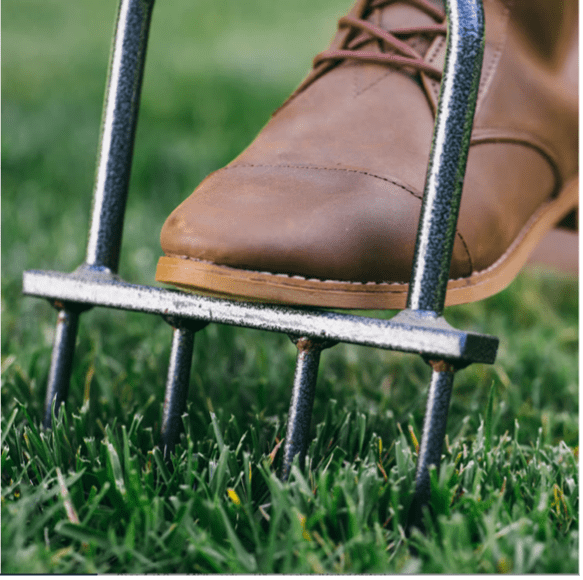
Use a manual aerator for small problem areas or smaller yards.
Use a core aerator to remove plugs of soil. This design is most effective.
Use a spike aerator to poke holes without removing soil. This design is less effective for compacted soil.
For large lawns, consider renting a motorized core aerator from your local Ace.
Step 4 Aerate Your Lawn
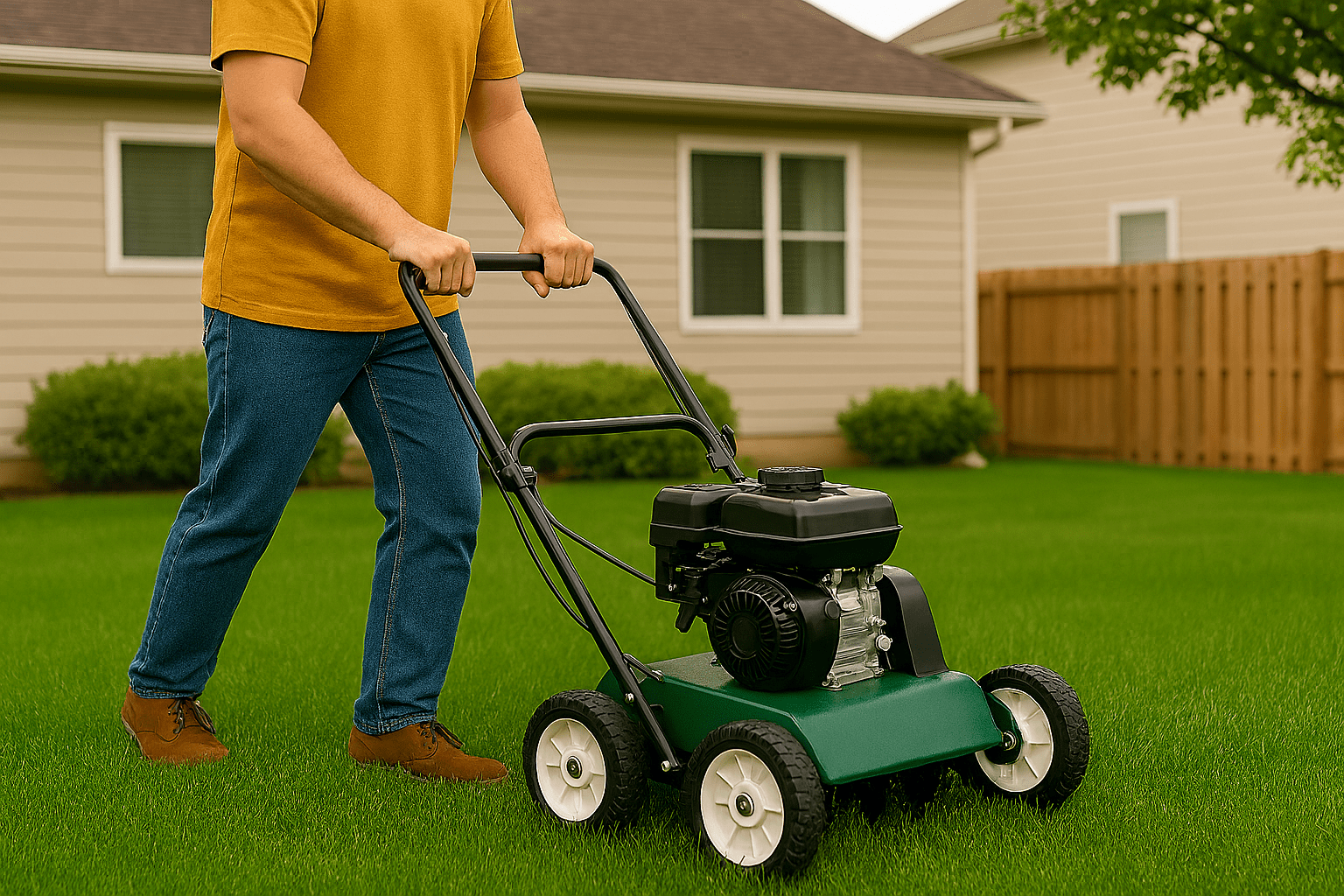
If using a motorized lawn aerator, follow instructions from the manufacturer.
Run the aerator over the lawn in a consistent pattern, similar to mowing.
Make multiple passes in different directions for heavily compacted areas.
If using a core aerator, leave the soil plugs on the lawn. They will break down naturally.
PRO TIP
Step 5 Post-Aeration Care
Water your lawn again to help the soil settle.
Apply grass seed and fertilizer if overseeding.
Avoid heavy foot traffic for a few days to allow the lawn to recover.
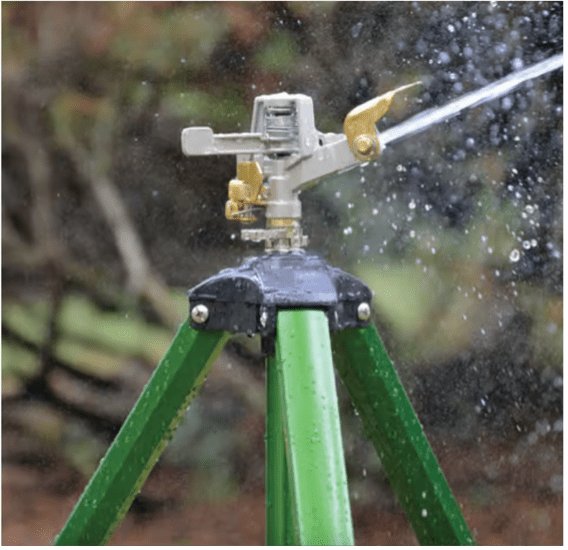
Water your lawn regularly every 2-3 days for the next two weeks.
Future Care
- After these jobs are done it’s a good idea to overseed your lawn.
- After you see the new growth fill in any reaming bare spots with more seed.
- Once new grass is growing, you can start with a fertilizing plan for the season.